 Skip to content


See how the repercussions of this crisis are impacting the Brazilian economy and the real estate market at this time.
The crisis announced at the beginning of the month, caused by the successive failures of American financial institutions, such as Silicon Valley Bank and Signature Bank, hit the heart of the strongest economy in the world, shaking investor confidence in a systemic way and spreading rapidly to other traditional banking institutions, such as First Republic Bank and even in Europe, where the century-old Credit Suisse, the second largest Swiss bank and one of the 30 financial institutions in the world considered “too big to fail”, found its demise. Founded in 1856, the bank has now been bought by its rival and fellow countryman UBS in the midst of a historic negotiation, in an agreement mediated by the Swiss government, triggering the fragility and signs of risk that such events bring to the entire global financial system at this time.
The global banking crisis and the risk factors for the Brazilian economy at this time: Selic, inflation, stock market and dollar.

The Monetary Policy Committee (Copom) of the Central Bank (BC) decided to maintain the basic interest rate – the Selic – at 13.75% per year. This was the fifth time in a row that the committee decided to maintain the rate. Thus, the interest rate level remains at its highest level since December 2016. The decision was unanimous.
The banking crisis abroad, the worsening of the external and internal scenario and persistent inflationary pressure were the main reasons that supported the decision.
Regarding the domestic scenario, the committee argued that “the set of most recent economic activity indicators indicate an expected slowdown, however, not enough to cool the inflationary scenario that still persists, which reinforces the decision to maintain.
The dollar has been fluctuating in the face of internal and external uncertainties since the beginning of April, trading below R$ 5.10 at the beginning of this week, with indications that it should remain at these levels.
With all this instability, the IBOVESPA continues to accumulate losses. The index has been fluctuating daily, with a slight improvement in the first few days of April, when it once again surpassed the 100,000 point mark. A certain relief, however, still far from ideal.
What will happen to the real estate market in this scenario of instability and risks for financial investments?
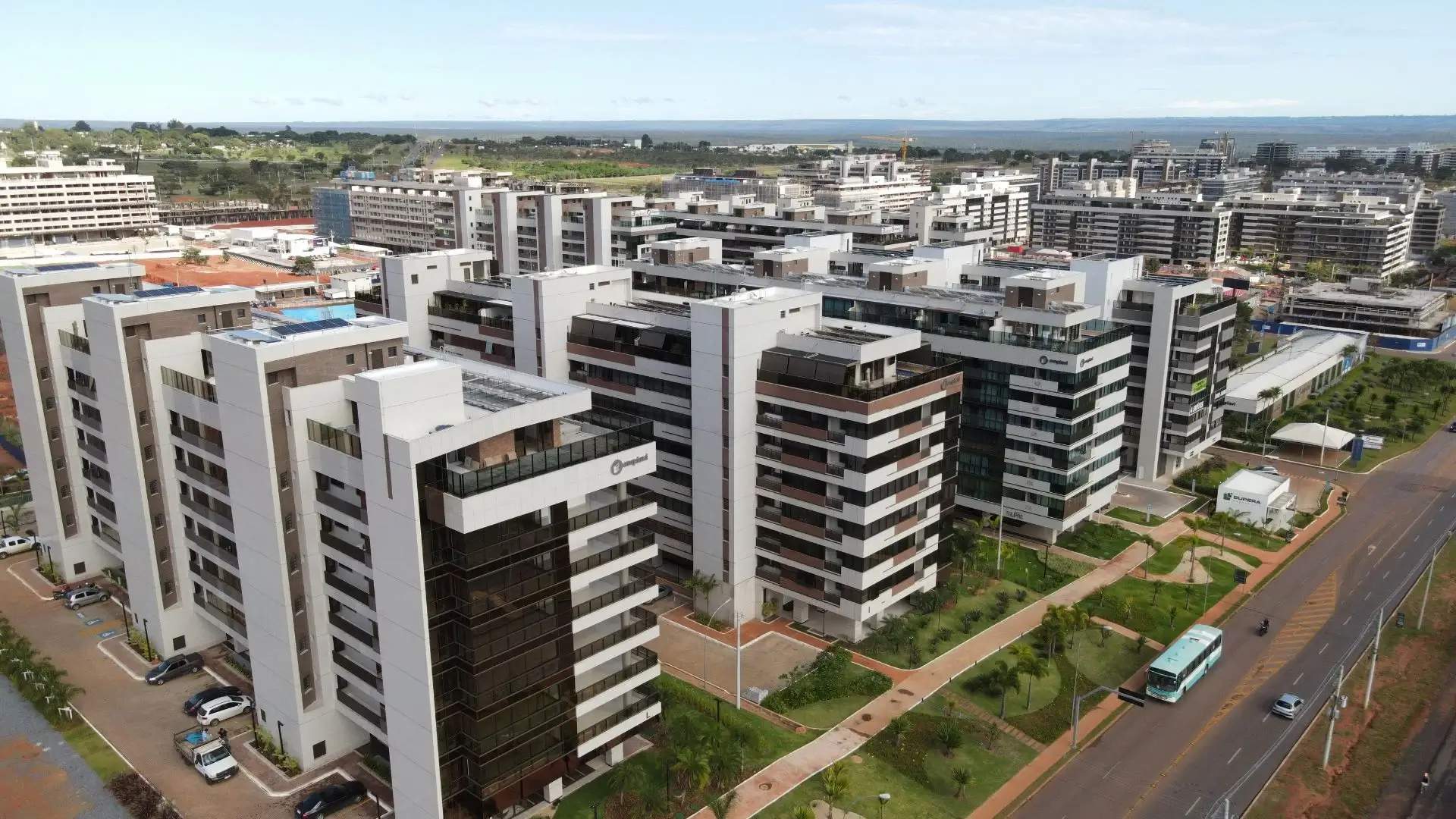
A priori, when scenarios are drawn up for the Brazilian economy, the real estate sector appears as one of the main indicators of these analyses, since it is part of one of the main production chains in the country, the construction industry. Thus, everything that directly or indirectly impacts this sector impacts the Brazilian economy and vice versa.
As previously noted, it is impossible to predict the outcome of the current crisis in the financial sector, especially for the institutions involved in this process in the US, Europe and here in Brazil, and the performance of their shares in the Brazilian capital market, which has been so volatile and unstable in recent days, prolonging the situation of instability and financial losses for investors in the Brazilian capital market indefinitely.
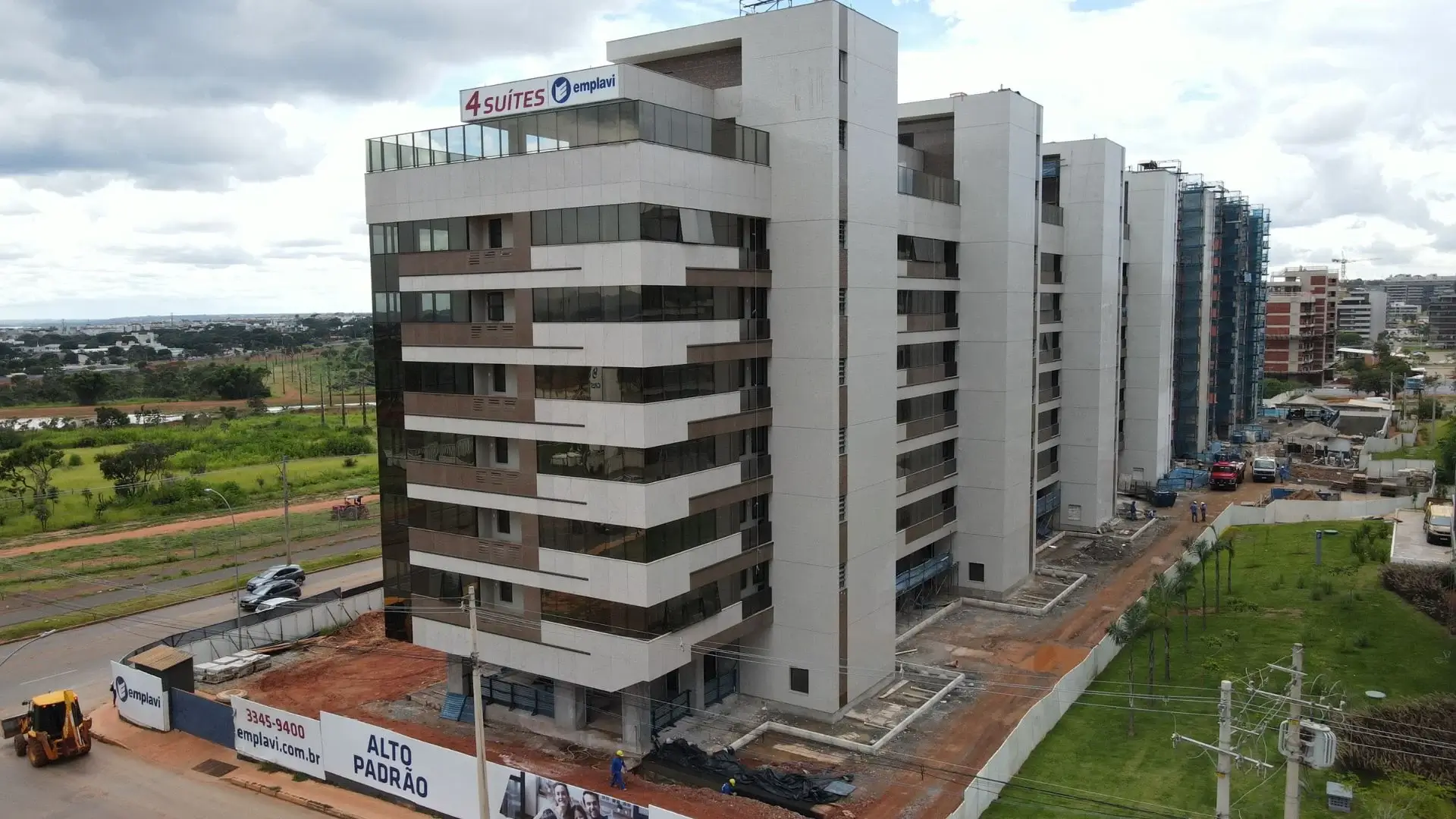
Contrary to this scenario of instability, financial losses and inflationary risk, the real estate sector has been accumulating, since the end of 2022 and beginning of 2023, recurring increases, both in demand, with record sales, and in appreciation above inflation, which has surprised analysts who classify this movement in at least 4 main pillars:
1. Property: Asset security in any scenario
Historically, in times of instability, whether economic, financial or even confidence-based, investing in real estate has always been a safe haven for those seeking security, solidity and longevity for their investments.
2. Real estate appreciation in the Federal District
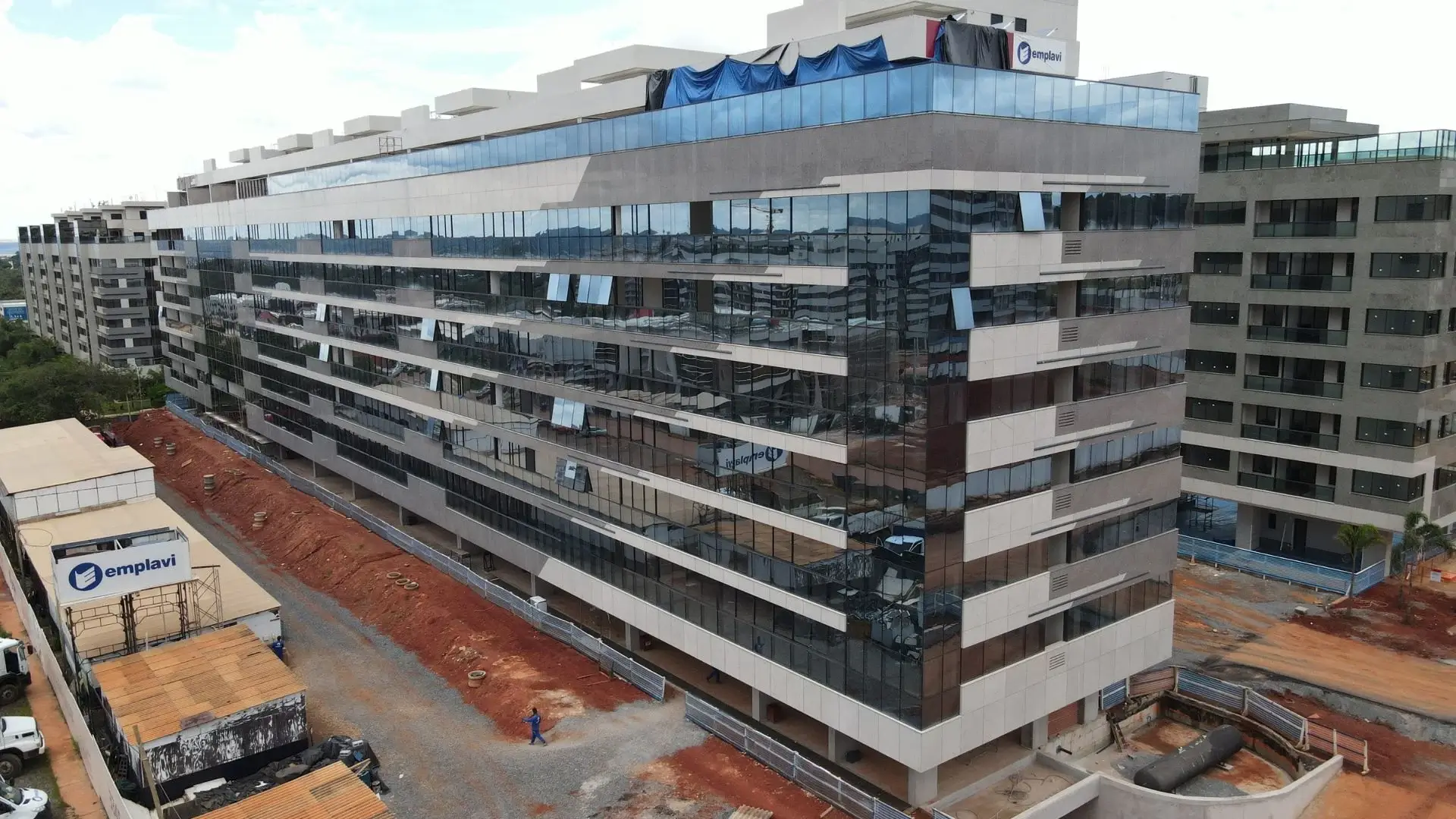
In the Federal District in particular, the real estate market presents an even more promising scenario for those who are thinking about investing in a property, whether for housing, upgrading or to make a profit and protect their capital at this time: real estate appreciation. According to a survey carried out by Brazilian Association of Real Estate Credit and Savings Entities (ABECIP), at the end of last year, Brasília had the best real estate appreciation in the country, with 16,77%, followed by Salvador (16,62%) and Curitiba (16,31%). The national average was 15,06%. According to Eduardo Aroeira, president of the Association of Real Estate Companies of the Federal District (Ademi-DF), the appreciation of real estate in the capital above the national average, together with the increase in sales in 2022, is encouraging for the sector. “Real estate here in the DF has always been a guarantee of safe investment and profitability”, he concluded.
3. INCC X IPCA 2023: Opportunity to invest in off-plan properties
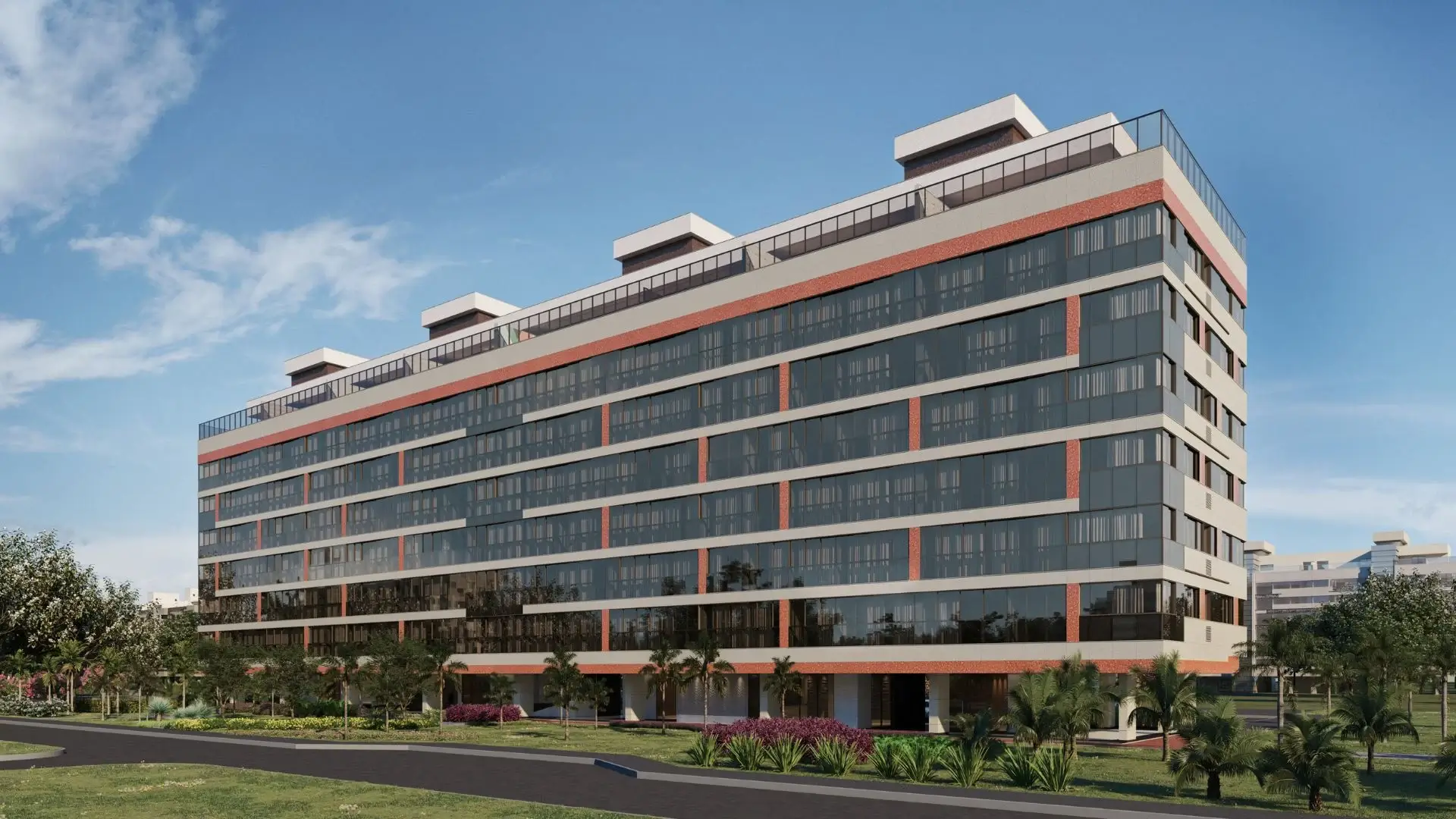
The official index that adjusts construction costs in Brazil – INCC – which, due to the pandemic, accumulated adjustments above inflation, until mid-2022, reflecting the extraordinary increase in construction inputs, which were demanded in an unprecedented way during the pandemic period, is finally returning to normal levels, with a greater balance between supply and demand for materials, inputs and labor, which causes a natural accommodation of the index below the IPCA, bringing a scenario of opportunity for those seeking to realize the dream of the ideal property, especially investing in a property on the plan, whose contractual adjustments, during the construction period, are governed by the INCC, and the appreciation of this same property predicted for 2023 should be well above the official inflation, as was the case last year.
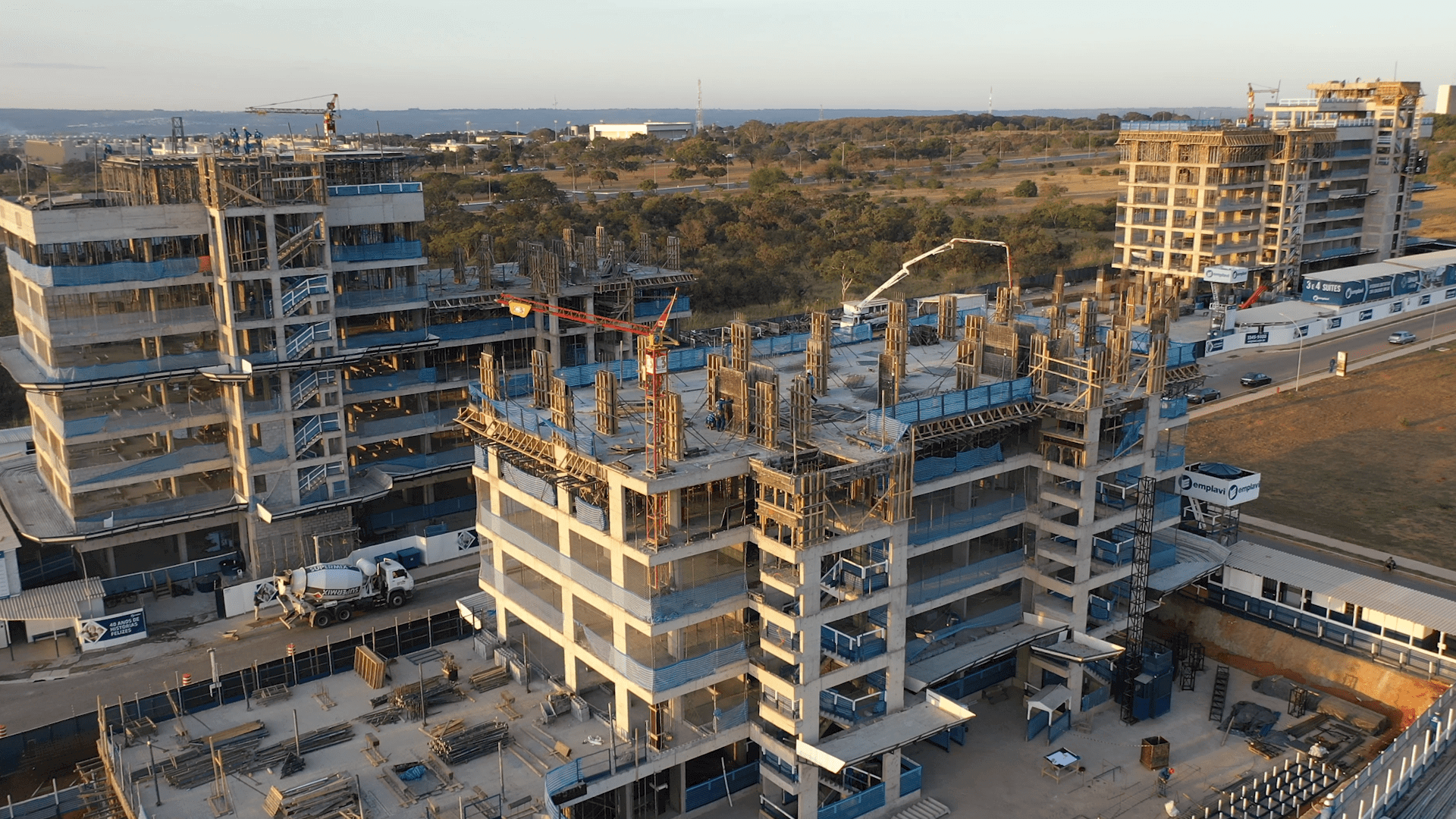 Emplavi Works Quadra 500 – Southwest Sector
4. Increased demand for new properties in the Federal District
At the other end of this analysis, the volatility of money invested in stock markets or even the uncertainty of the financial health of institutions, in addition to the already announced losses of investments in direct treasury bonds, in relation to the appreciation of real estate in the same period, caused many more traditional investors to migrate their investments to the real estate market, further increasing demand in the sector and contributing to the increase in real estate prices, which have already accumulated appreciation well above inflation and the Selic rate.
Finally, due to these and other factors, investment in real estate is consolidating itself as the main alternative for investors to the crisis in the financial sector and will continue to attract an ever-increasing flow of consumers, expanding supply throughout the country and contributing decisively to the growth and development of the Brazilian economy, guaranteeing solidity and asset security for Brazilian families.
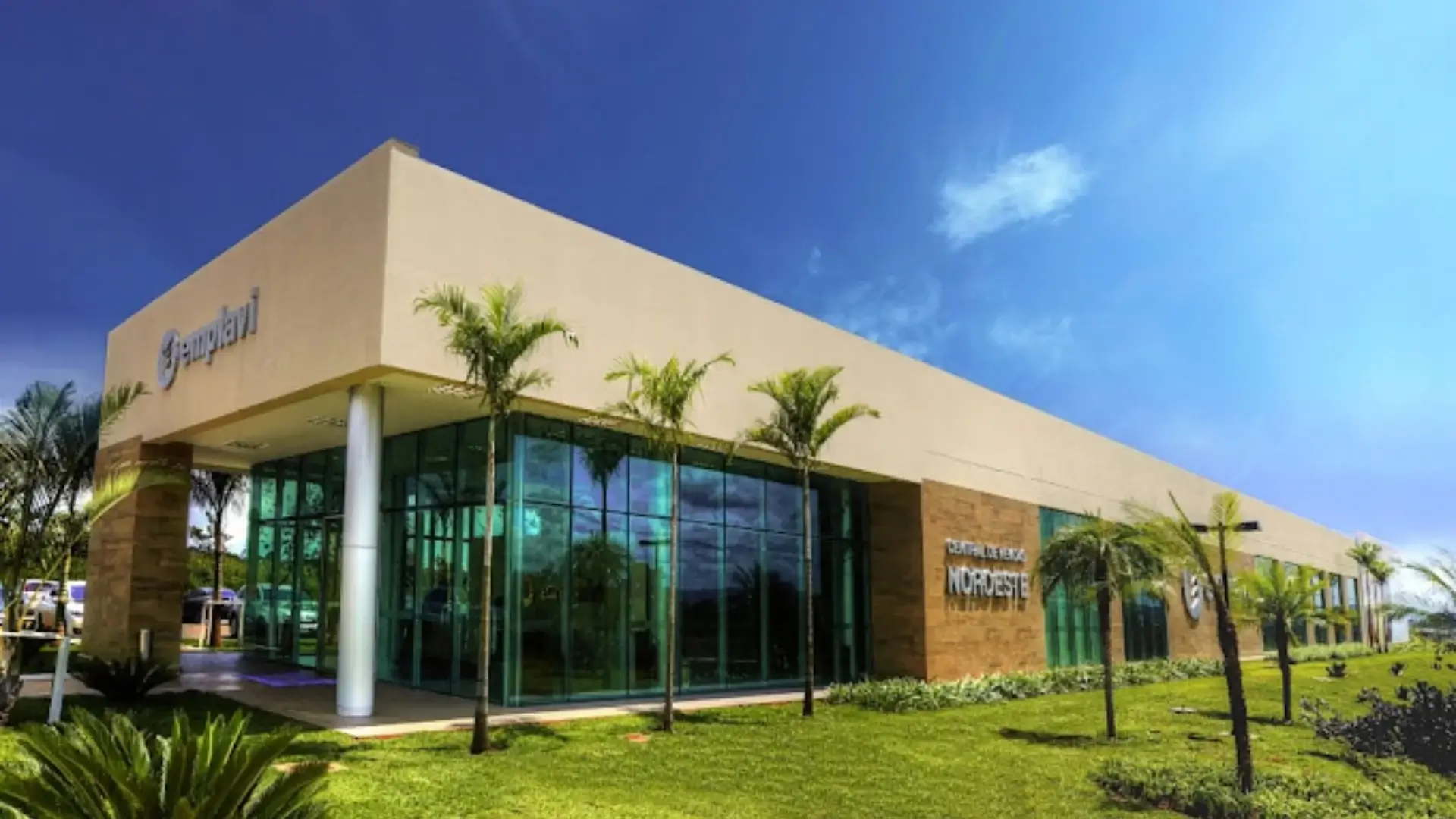
To learn more about the real estate market and discover the largest and most diverse range of high-end real estate in the Federal District, visit emplavi.com.br or call 61-33459400


